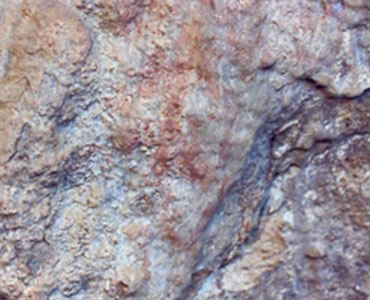
These sites in the Mediterranean Arc of the Iberian Peninsula (Spain), and their cave art, which dates from the end of the pre-historic period, constitute an exceptional set of works and provide a fascinating insight into how people lived during what was a critical phase of human development. The lively, graphic representations are unique not only on account of their style, buy also because of the themes that they portray. The set of cave paintings from the end of the pre-historic period located in the Spain’s eastern Mediterranean arc forms the largest group of cave art locations in the whole of Europe, and offers an exceptional perspective of the live of man in an essential period of human cultural evolution.
In total 16 of Lleida’s archaeological sites have been recognised by UNESCO as depositories of cave paintings of great value. They are important because they represent both one of the first artistic manifestations of the primitive Mediterranean civilisation and because they constitute an embryonic form of later plastic art forms.
This distinction has been granted to remains found in Western Catalonia (Spain) that include La Roca dels Moros del Cogul, one of the best conserved pieces of cave art, which provides an excellent example of the art that developed in this territory during the Palaeolithic period. It also includes the Cova de Cogulló, at Vilanova de Meià; the Cova dels Vilasos, at Os de Balaguer, and the cave art of the Vall de la Coma and the Balma dels Punts, both at L'Albi. Elements with very unique characteristics can also be seen at the Roc del Rumbau at Peramola or in the Abrics of La Granja d'Escarp, which were found as a result of mining prospecting. Other sites include the Abric de la Vall d'Ingla, at Bellver de Cerdanya; the Roques Guàrdies, at Les Borges Blanques; the Aparets, at Alòs de Balaguer; the Cova d'Antona, at Artesa de Segre; the Balma del Pantà and Cova del Tabac, at Camarasa; the Balma de les Ovelles, at Tremp, and the cave paintings of Alfés. All of these sites are top level, cultural heritage sites on a world scale that can be found in the comarques (local districts) of Lleida (Spain).
Information provided by: